Introduction to Memory Crafting
In a world where digital dominance often overshadows tangible experiences, the art of memory crafting stands as a timeless way to capture life's most treasured moments. DIY scrapbooks and memory books offer a personal touch that digital slideshows or social media albums may lack, transforming them into cherished keepsakes. Creating these personalized gifts involves more than just assembling pictures and captions; it is about weaving a narrative that captures the emotions and milestones that define relationships. Handcrafted with love, these memory books not only preserve precious moments but also serve as meaningful gifts that endure through generations. As we dive into the world of memory crafting, we'll explore how creating DIY scrapbooks and memory books can transform the simple act of gift-giving into something truly memorable and heartfelt.
Understanding the Emotional Impact
The concept of personalized gifting is powerful, and few gifts are as uniquely personal as a handcrafted memory book. These books evoke emotions that deepen connections between the giver and the recipient. Imagine flipping through pages filled with heartfelt messages, poignant photographs, and mementos that chronicle shared experiences. Such a gift often conjures feelings of nostalgia, appreciation, and love. The thoughtfulness behind each page, from selecting the perfect pictures to penning down personal anecdotes, speaks volumes about the effort and care invested. Custom memory books have the power to rekindle relationships, spark conversations about the past, and strengthen bonds by reinforcing shared memories. Unlike commercial gifts, which may fade with time, these handcrafted treasures remain perpetually meaningful, offering a tangible reminder of a relationship's rich history and emotional journey.
The History of Scrapbooking
Scrapbooking is not a novel concept. Its history stretches back several centuries, weaving through different cultures and eras. Originating in the 15th century as commonplace books, where literate individuals would collect knowledge and notes, scrapbooking has evolved significantly. By the 1800s, it had transformed into an art form used to preserve not only literature but also personal memories, such as letters, newspaper clippings, and photographs. In the late 20th century, scrapbooking morphed into a creative pursuit, as people began focusing on aesthetics as much as content. Specialized materials, tools, and techniques emerged, making it accessible and appealing to a broader audience. Today, scrapbooking is celebrated for its dual ability to preserve personal histories while offering creators a platform for artistic expression. Yet, at its core, the tradition remains rooted in celebrating the personal narrative, making it a timeless medium for storytelling.
Choosing Your Theme
Selecting a theme is a foundational step in crafting a meaningful scrapbook or memory book. It anchors the narrative and ensures each page contributes cohesively to the story you're telling. Consider focusing on elements that resonate with the recipient, such as their interests, hobbies, or significant life events. For instance, a scrapbook could revolve around the theme of 'adventure,' compiling memories from various trips and explorations. Another approach could be celebrating milestones like a wedding, a child's first year, or a retirement journey. Identify key moments that encapsulate the essence of the theme and thread these together within the pages. By reflecting upon the interests and personality of the recipient, the scrapbook becomes a deeply personal gift that celebrates their life, passions, and journey, demonstrating thoughtfulness and the unique connection you share.
Gathering Materials and Tools
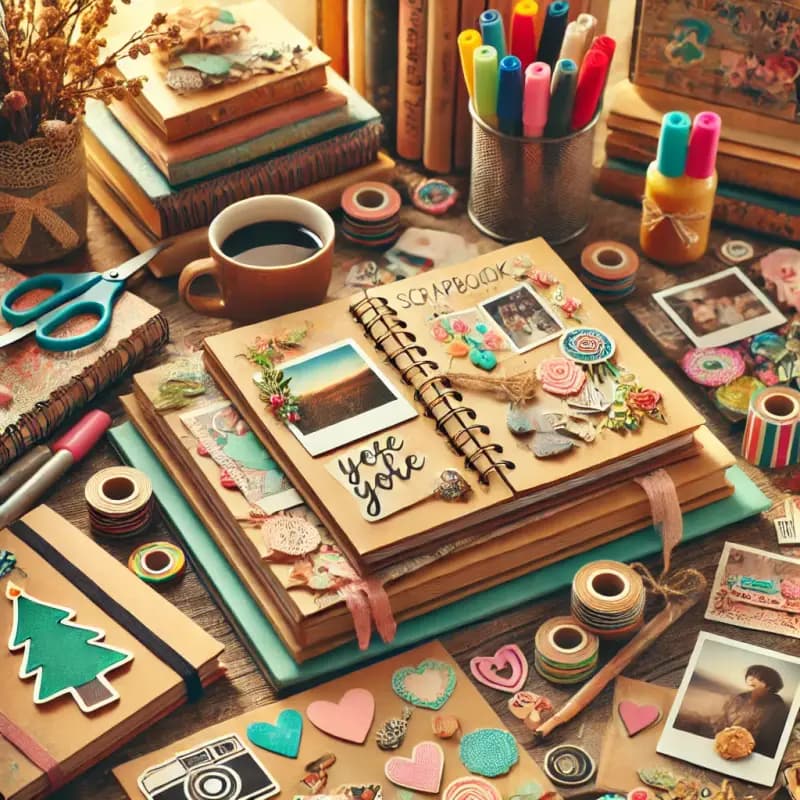
To embark on your scrapbooking adventure, you'll need a well-curated collection of materials and tools. Here’s a checklist to guide you:
- Paper: Colorful cardstock and patterned paper serve as the backdrop for your pages.
- Adhesives: Use photo-safe glue, tape runners, or sticky dots to secure elements without damaging them.
- Embellishments: Stickers, washi tape, die cuts, and ribbons add texture and character to your pages.
- Photos: The heart of any memory book; ensure they are edited and printed in high quality.
- Cutting Tools: Scissors, paper trimmers, and craft knives will help you shape and trim materials precisely.
- Writing Instruments: Pens and markers for journaling, captions, and decorative text.
- Other Tools: Include a ruler for straight edges and corner rounders for softened photo corners.
With these tools at your disposal, your creative vision can unfold seamlessly into a beautiful memory book.
The Art of Storytelling in Scrapbooks
At the heart of every scrapbook is a story waiting to be told. Whether chronicling a singular event or capturing a relationship's evolution, storytelling weaves a cohesive narrative through visuals and text. Begin by curating photos that resonate most deeply with your theme and add captions that enhance understanding and context. Journaling takes it a step further by including anecdotes, reflections, and emotions tied to the moment captured. The balance of images and text should invite the reader into the memory, letting them hear the laughter, feel the love, and understand the journey. Even small details, such as dates or quotes, can layer additional meaning onto the narrative. Through storytelling, your scrapbook transforms from a series of static pages into a vivid sequence of heartfelt connections and experiences.
Designing Layouts and Page Elements
Creating visually captivating layouts is an essential aspect of effective scrapbooking. Striking a balance between creativity and coherence will ensure that each page engages the viewer while contributing to the overall narrative. Start by considering color schemes that complement your theme and photographs. Balance is key; use a mix of large and small elements, and vary component placement to avoid clutter. Utilize negative space to enhance readability and visual appeal. Add creative elements like borders, frames, or layering techniques to provide depth. Experiment with interesting typographical choices for captions and journaling to inject personality into the layout. By mindfully arranging each page, you create a visual rhythm that guides the viewer, making the experience both aesthetically pleasing and emotionally resonant.
Incorporating Mixed Media
Mixed media elements can elevate a scrapbook, adding texture and a dash of creativity. By blending fabrics, buttons, and digital prints, you can infuse a tactile quality into your pages, making the interactions even more engaging. Consider using fabric swatches from memorable garments, or buttons from a special event outfit, as page embellishments. Digital prints and transparencies offer a modern twist, allowing for intricate designs or custom patterns that traditional materials might not permit. Incorporate them as overlays or focal points to create dynamic layers. Remember, the goal is to enhance the narrative visually and texturally, so choose elements that connect meaningfully with the overall theme. Each addition should invite the reader's fingers to linger on the page, experiencing the story both visually and tangibly.
Adding Personal Touches
Personalization is the soul of any great scrapbook or memory book. It's those tiny, intentional details that truly make it a one-of-a-kind gift. Handwritten notes offer a warmth and intimacy that typed text simply cannot match. Consider including sketches or doodles that capture spontaneous moments or inside jokes shared with the recipient. Small souvenirs like ticket stubs, pressed flowers, or postcards can become powerful symbols of shared experiences. These elements transform the scrapbook into more than just a collection of memories; they become an intimate portrait of a relationship. By infusing your personality and unique connection with the recipient into the pages, you create a legacy of love that is felt with every turn of the page, making the book an unforgettable gift.
Tips for Using Photos Effectively
Photos are the cornerstone of any scrapbook, so using them effectively is crucial for impact. Begin by selecting photos that evoke the strongest emotions and best represent your theme. Opt for a mix of candid shots, posed pictures, and detailed close-ups to maintain interest. Editing photos for color balance, contrast, and clarity ensures they look their best. Arrange them thoughtfully; clusters create dynamic energy, while lone images can emphasize a poignant moment. Using different sizes or shapes can add variety and draw the viewers’ attention where it's needed most. Always consider the story each photo tells and how it fits into the larger narrative. By integrating photos thoughtfully, you can guide the viewer's journey through the memory book in a way that captures the unique essence of your shared experiences.
Journaling with Purpose
Journaling breathes life into the visuals of a scrapbook, turning it from a simple photo album into a narrative masterpiece. Start by reflecting on the emotions and thoughts that accompany each image. Consider sharing anecdotes or reflections that add depth to the visual story. Your captions should provide context, ignite memories, or reveal insights that might not be immediately apparent. Strive for authenticity in your voice to create a genuine connection with the reader. Avoid generic labels, and instead, embrace descriptive storytelling that invites the reader to step into the memory. Through purposeful journaling, each page resonates beyond its visual elements, capturing the essence of the emotions shared and the meaningful narrative intertwined within them.
Creating a Flow and Structure
A well-organized scrapbook not only pleases the eye but also enhances the storytelling. At the outset, outline a basic structure that reflects the natural progression of your theme. Whether it's chronological, thematic, or a mix of both, the key is consistency. Use dividers or color-coded tabs to signify transitions between different sections. Within each section, ensure that the story flows seamlessly from page to page, guiding the viewer's journey through your shared history. Maintain an engaging rhythm by varying layout styles to prevent monotony. An occasional surprise, like a fold-out page or interactive element, can revitalize interest and keep the reader engaged. Through structured flow, your scrapbook will narrate its story clearly and beautifully, inviting the recipient to relive cherished memories in sequence.
Crafting Techniques for Beginners
If you're new to scrapbooking, diving in can seem overwhelming. Fortunately, there are beginner-friendly techniques to ease your creative process. Start with simple layouts that prioritize clean lines and minimal embellishments. Familiarize yourself with basic tools like scissors and adhesives before exploring more complex instruments. Pre-cut embellishments and sticker sets can embellish pages without the need for elaborate crafting skills. Digital templates offer structure and inspiration, allowing you to customize without the pressure of designing from scratch. Focus on developing your storytelling skills through careful photo selection and meaningful journaling. As you grow more comfortable, you'll naturally gain confidence to experiment with new techniques and styles. The key to mastering scrapbooking is to start small, enjoy the process, and let your creativity blossom.
Advanced Techniques for Seasoned Crafters
For seasoned crafters looking to take their scrapbooking to the next level, exploring advanced techniques can provide a rewarding challenge. Consider incorporating embossing for a touch of sophistication and texture. Layering can add depth and dimensionality, creating a rich backdrop for focal images. Interactive elements like pop-up features, pockets, or pull-out tabs add an element of surprise and engagement. Experimenting with multimedia, like incorporating audio clips or QR codes linking to digital video memories, can infuse modern elements into a traditional craft. These advanced techniques not only enrich the visual experience but also invite the recipient to engage with the memories in fresh, exciting ways. Delving into these sophisticated methods allows for an unparalleled personalization that ensures your creation stands out as a remarkable piece of artistry.
Packaging Your Gift with Love
Presentation is the final flourish on your handcrafted memory book, and it's an opportunity to underscore the care and love invested in the gift. Consider packaging your scrapbook in a bespoke box or sleeve, lined with tissue or fabric for added elegance. Handwrite a personal note or tag to accompany the gift, reflecting on the memories contained within. Explore creative wrapping ideas such as using twine or ribbon to add a rustic or classic touch. You might even consider a thematic approach—wrapping with paper that mirrors the scrapbook's cover or colors. Thoughtful presentation not only protects your handiwork but also builds anticipation and excitement for the recipient. It elevates the gifting experience from the moment they lay eyes on the package, ensuring your memory book is received with the love and excitement it deserves.
Digital Alternatives: E-Scrapbooks and Online Memory Books
In an increasingly digital world, constructing an online memory book or e-scrapbook is a practical and innovative alternative to traditional crafting. Numerous apps and platforms provide customizable templates, allowing you to drag and drop photos, add text, and incorporate multimedia elements like video and audio clips. They offer the convenience of easy sharing and unlimited tweaking until your album perfectly encapsulates your memories. This digital format offers additional benefits: no physical wear and tear, endless editing possibilities, and the ability to replicate and distribute the book effortlessly to multiple recipients. Moreover, online books can include interactive features, from embedded music to animations, enhancing the storytelling experience. While digital scrapbooks may lack the tangible charm of their physical counterparts, they offer versatility and accessibility that ensures your cherished memories are preserved and shared in novel ways.
Final Thoughts and Inspiration
Creating a memory book is an endeavor steeped in affection and creativity, a gift that resonates deeply and endures across time. Whether you choose to navigate the traditional path of tangible scrapbooks or venture into digital alternatives, the heart of the craft remains constant—the celebration of cherished moments and meaningful relationships. Remember, it's not the complexity but the sincerity of the effort that shines through, making each book unique and special. As you embark on your scrapbooking journey, draw inspiration from your personal connections, allowing the memories themselves to drive your creative process. In crafting these mementos, you contribute not only to the preservation of a shared past but also to a future where such stories and memories continue to inspire joy and connection. Enjoy the journey, and take comfort in the knowledge that your personalized gift of memories will be treasured dearly.