Introduction
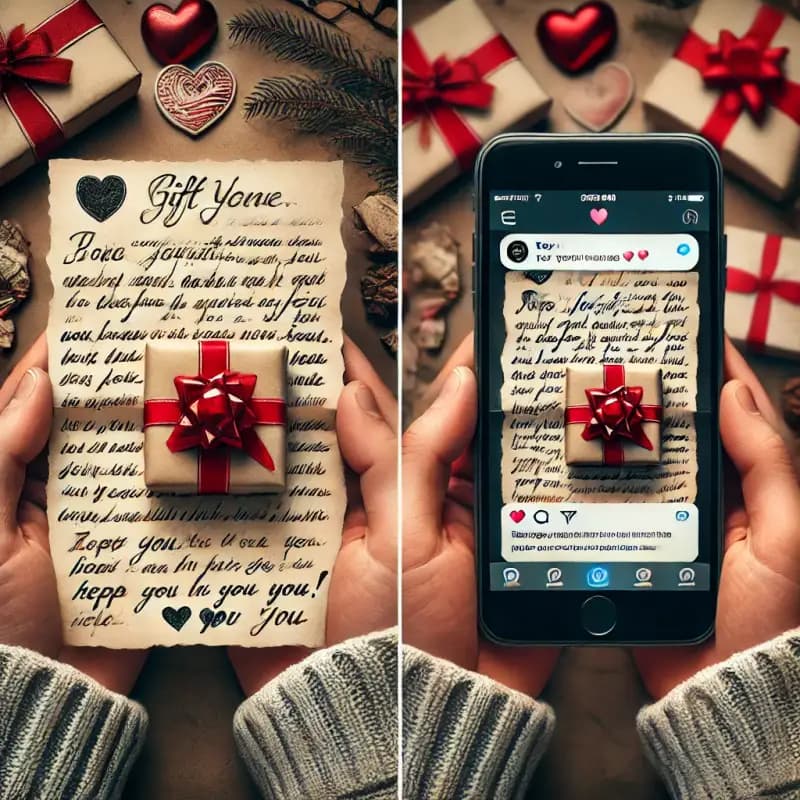
In an age saturated with technology, where communication often takes the form of instant messages and emails, a pertinent question arises: Is an old-fashioned handwritten letter still more meaningful than a digital message when included with a gift? Both forms of communication serve the purpose of conveying emotions and thoughts, but each brings along its own set of nuances, benefits, and drawbacks. In the following exploration, we delve into whether the tactile charm of penmanship outweighs the convenience and versatility of digital notes, especially in the context of gift-giving.
Historical Context of Gift-giving
Gift-giving is a tradition dating back thousands of years, celebrated in various cultures as a token of love, friendship, or appreciation. Historical records reveal that the inclusion of personal messages often deepens the sentiment embedded in such exchanges. Handwritten notes were once the primary method of adding a personal touch to gifts, often sealed with a flourish of wax to create a memento. Over centuries, the essence of personal messages has been maintained as an integral part of the gift-giving experience, serving as a conduit for feelings that words struggle to articulate. This historical backdrop sets the stage for understanding why personal messages, whether handwritten or digital, remain vital in the art of gift-giving even today.
The Value of Personal Touch in Handwritten Notes
Writing by hand is an intimate act that involves the writer's own physical movement and emotional energy. The individuality of each pen stroke and the subtle variations in pressure and angle inject a piece of the author's essence into the note. It speaks of the time and effort invested—qualities that digital messages often lack. Handwritten notes boast a personal connection that can rarely be achieved through typed words. The slight smudge of ink, the careful choice of paper, and the occasional doodle all contribute to a tactile experience that immerses the recipient in a sense of closeness and authenticity. This personal touch becomes a relic of shared history, something the recipient can hold onto, both physically and emotionally.
Emotional Impact of Digital Messages
While the convenience of digital messages is undeniable, they can still carry significant emotional weight if crafted thoughtfully. The immediacy of communication and the ability to reach across distances instantly can amplify feelings of closeness. Digital messages can also be decorated with emoticons, images, or even voice notes, adding rich layers to the communication that handwritten notes cannot. If the sender takes the time to choose their words carefully, a digital message can be just as heartfelt and meaningful as its handwritten counterpart. The emotional depth of a digital message ultimately depends on the intention and consideration behind its creation, making it an equally viable companion to a gift.
Comparing Tangibility
Tangibility is a powerful element where handwritten notes undeniably shine. The physical presence of a note can transform it into a keepsake, a tangible reminder of the giver's affection and thoughtfulness. Unlike digital messages, which exist in a transient online world, a handwritten note can be touched, smelled, and securely saved in a drawer or a memory box. The experience of holding, folding, and unfolding a letter can elicit a stronger emotional response than merely reading pixels on a screen. This tangible nature of handwritten notes enhances their emotional resonance and makes them memorable gifts in themselves.
The Convenience of Digital Messaging
In stark contrast stands digital messaging, celebrated for its unparalleled convenience and speed. The ability to craft a message in seconds and deliver it across continents instantaneously has revolutionized communication. Digital messages are not limited by geographic or temporal barriers, making them accessible to anyone with an internet connection. Furthermore, the integration of multimedia elements like images, videos, and links allows the sender to create a dynamic and engaging gift experience. This level of convenience and customization is unattainable with traditional handwritten notes, making digital messages a pragmatic choice for today’s fast-paced world.
Personal Stories and Anecdotes
Consider the story of Emily, who decided to include a handwritten note with a gift for her grandmother's birthday. On a sheet of floral stationery, she penned memories of summers spent in her grandma's garden and ended with a heartfelt gratitude for the lessons learned in baking and storytelling. Her grandmother later admitted that the note touched her heart more deeply than the gift itself, for it reconnected her with the warmth of shared memories.
Conversely, when Jake sent his friend, who had recently moved abroad, a digital message alongside a digital gift card, the choice was equally appreciated. The attached video of their college memories added smiles and laughter, showcasing how digital messages can enliven the gift-receiving experience. These anecdotes underscore the varied effectiveness of each method depending on recipient expectations and the personal touch involved.
Psychological Impact and Memory Retention
Research supports the idea that handwritten notes can lead to better memory retention and elicit a stronger emotional response. The physical act of writing engages the brain differently from typing, fostering a deeper cognitive connection to the message. This connection is beneficial for both the sender and the receiver, as it makes the experience more memorable. The tactile nature of handwritten notes, combined with the sensory experience of paper and ink, engrains the communication in the recipient's memory, contributing to its lasting emotional impact.
Modern Communication Trends
Modern communication trends show a shift towards digital communication, driven by technological access and faster lifestyles. The prevalence of smartphones and the rise of social media have accustomed people to the efficiency and instant gratification provided by digital messages. However, the resurgence of interest in vintage aesthetics and the DIY culture has also revived appreciation for handwritten notes. This dual trend reveals a complex landscape where both communication styles coexist, influenced by factors such as occasion specificity, cultural norms, and personal preference.
Environmental and Ethical Considerations
The environmental impact of handwritten versus digital messages is a consideration where digital messaging seems more sustainable. Handwritten notes often involve paper production, which contributes to deforestation and carbon emissions. In contrast, digital messages, although requiring electronic devices, entail a lower carbon footprint per message sent. However, ethical considerations also extend to digital waste generated by devices. Choosing between handwritten and digital messages thus involves weighing immediate versus long-term environmental impacts, prompting individuals to ponder sustainability in their gift-giving practices.
Creativity and Customization in Handwriting
Handwritten notes afford unparalleled opportunities for creativity and personalization. The freedom to use decorative paper, incorporate sketches, or even add a wax seal allows the sender to craft a one-of-a-kind gift addition. Each handwriting style is unique, adding another layer of personalization to the note. Doodles and drawings, penned with whimsy and care, can charm the recipient, creating an artful expression of sentiment that digital text struggles to emulate. This creative freedom is a key reason why many still appreciate the charm and allure of handwritten notes.
The Role of Digital Personalization
Digital tools provide a different avenue for personalization through diverse fonts, layouts, and even AI assistance in crafting the perfect message. Platforms offer templates and design elements that enable the crafting of visually appealing messages. For instance, adding background music or a personalized video enhances the emotional quotient, allowing for multi-sensory engagement. While lacking the tactile charm of handwriting, these digital modifications allow senders to create messages that are equally personalized and tailored to the recipient’s tastes and preferences.
Receiver's Perspective: Preferences and Perceived Value
The value perceived by the recipient often depends on individual preferences, which can be influenced by cultural and generational factors. Older generations may find more sentimental value in handwritten notes that evoke nostalgia and tradition, while younger individuals, familiar with digital novelties, might appreciate the innovative use of technology in digital messages. Preferences can also vary by cultural context, where some traditions emphasize written words as a reflection of sincerity and respect. Understanding the recipient’s background and preferences is crucial in deciding which message type might better accompany a gift.
Case Studies and Expert Opinions
Gift-giving experts highlight the importance of matching message style to the occasion and the recipient's personality. Real-world case studies reveal mixed preferences among recipients. A study found that recipients of wedding gifts valued handwritten notes for their perceived sincerity, while birthday gift recipients fell slightly in favor of multimedia digital messages that felt fresh and exciting. Experts suggest that thoughtful consideration of the recipient's tastes and the occasion can guide the choice between handwritten and digital messages, enhancing the overall gift-giving experience.
Conclusion and Recommendations
In conclusion, the debate between handwritten and digital messages involves a nuanced understanding of personal preferences, context, and intention. Both forms carry their own unique strengths: handwritten notes offer a personalized, tactile charm, while digital messages provide convenience and multimedia engagement. When choosing between the two, consider the occasion, the recipient’s preferences, and the message’s desired impact. Whether one chooses the elegance of a pen on paper or the dynamic versatility of digital tools, both forms are capable of crafting powerful, lasting connections. In the end, it’s the thoughtfulness behind the message that holds the most significant value in the heart of the recipient.