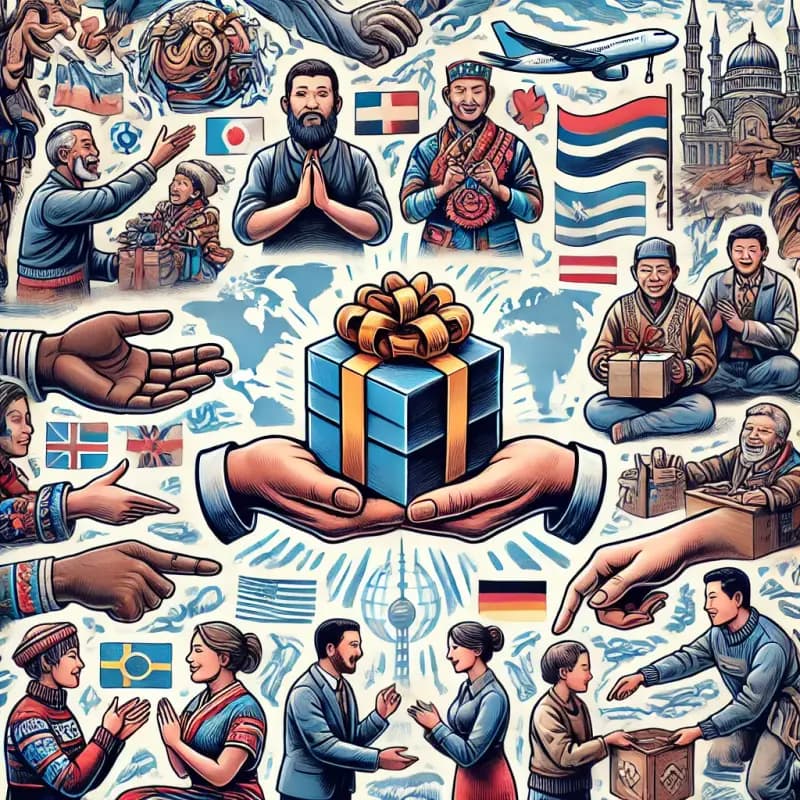
Introduction: A Universal Gesture with Diverse Expressions
Gift-giving is a practice that transcends cultural boundaries, acting as a universal gesture of goodwill, affection, and gratitude. Across the globe, the act of giving and receiving gifts is woven into the very fabric of our social interactions. Despite its universality, the nuances of gift-receiving differ significantly from culture to culture. This article delves into the fascinating world of these cultural differences, offering insights into how people worldwide unwrap, react to, and appreciate gifts differently. From the carefully curated presentation to the right moment for unveiling, there's much to learn about how our geographical and cultural backdrops shape our gift-receiving traditions.
The Art of the Presentation: First Impressions Matter
In the realm of gift-giving, the art of presentation is perhaps as important as the gift itself. The way a gift is wrapped can convey thoughtfulness and care, with many cultures placing significant emphasis on this initial impression.
In Japan, for example, the concept of otsutsumi (wrapping) is elevated to an art form. The care with which a gift is wrapped reflects the respect the giver has for the recipient, with intricate folds and beautiful paper enhancing the experience. Meanwhile, in many Western cultures, lavish and aesthetically pleasing wrapping is common, with ribbons and bows adding a festive touch.
On the other hand, some cultures prefer a more understated presentation. In certain parts of Africa, it is the gift itself that holds symbolic significance, with natural materials often used for wrapping as a nod to simplicity and authenticity. Regardless of cultural nuances, one thing is clear: the presentation sets the stage for the emotional journey that follows.
Timing Is Everything: When to Open Gifts
When it comes to opening gifts, timing can vary dramatically based on cultural norms. In some cultures, immediacy is the rule of thumb. For instance, in American culture, it is customary to open presents immediately upon receipt, providing an opportunity for instant expressions of gratitude.
Conversely, in places like China, opening a gift in the presence of the giver might be considered impolite. Waiting until later symbolizes thoughtfulness and restraint, allowing the recipient to appreciate the gift without the pressure of an immediate reaction.
Moreover, certain occasions dictate specific timings. In India, during Diwali, gifts might be opened at auspicious times as a mark of respect to traditional practices. This diversity in timing not only highlights cultural customs but also underscores the thoughtful consideration that can accompany each gift-giving experience.
Privacy vs. Public Display: The Setting for Receiving Gifts
The setting in which gifts are received can carry profound cultural implications. In some cultures, the act of opening gifts is a private affair, allowing the recipient to react without an audience. This approach is common in many Asian cultures, where maintaining decorum and humility are highly valued traits.
In contrast, Latin American cultures often embrace the communal aspect of gift-receiving. Gifts are frequently opened in the presence of a group, with reactions shared among family and friends. This public setting emphasizes community and togetherness, with laughter and cheer marking the occasion.
These differing preferences speak volumes about cultural values — from the importance of personal reflection to the joy derived from shared experiences. Understanding and respecting these settings enriches our appreciation of global diversity in gift-receiving traditions.
Expressing Gratitude: Immediate Reactions Across Cultures
Gratitude is a universal language, yet the manner in which it is expressed upon receiving a gift can vary widely across the globe. Immediate and enthusiastic expressions of thanks are common in Western cultures, where verbal appreciation and even physical gestures like hugs are encouraged.
In contrast, some Asian cultures, such as those in Japan, value subtlety and reserve. A simple nod or bow can convey deep appreciation, signifying respect and modesty. Meanwhile, in Middle Eastern cultures, not only verbal thanks but also extravagant compliments about the gift and the giver are customary.
These varied expressions highlight not only cultural expressions of gratitude but also the broader societal expectations and norms associated with gift-receiving. Embracing these differences enhances mutual respect among diverse cultures.
The Role of Reciprocity: Cultural Expectations and Obligations
Reciprocity plays a crucial role in the cultural landscape of gift-giving. In many societies, receiving a gift carries an implicit expectation to reciprocate, often referred to as the "gift exchange economy."
In cultures influenced by Confucian philosophy, like those in Korea and China, the concept of reciprocity is deeply embedded, signifying the maintenance of social harmony and goodwill. Gifts may be meticulously chosen not only for their immediate value but also for the message they send about ongoing relationships.
Conversely, in some Western cultures, the focus is more on the sentiment behind the gift rather than on balancing the scales. However, even here, reciprocity often manifests in subtler ways, such as the expectation to host the next social gathering.
Understanding the role of reciprocity within cultural gift-giving practices sheds light on broader societal values and the ways in which relationships are nurtured worldwide.
Symbolism and Superstitions: The Meaning Behind the Gift
Gift-giving is laden with symbolism, and superstitions can play a significant role in determining the appropriateness of a gift. In many cultures, certain gifts carry specific meanings, and the underlying symbolism can deeply influence how they are received.
For example, in Chinese culture, gifting a clock can be considered inappropriate as it is associated with attending a funeral, due to a linguistic similarity between the words for "clock" and "end." Instead, numbers carry specific meanings, with the number eight symbolizing prosperity and luck, often used in gifts.
Similarly, in Russian culture, flowers must be given in odd numbers, as even numbers are reserved for funerals. These cultural nuances highlight the importance of understanding core beliefs and superstitions when selecting gifts, ensuring they are received with open arms rather than raised eyebrows.
Gifts as Social Tools: Strengthening Bonds and Building Relationships
Gifts are powerful social tools used to build, nurture, and solidify relationships across cultures. They transcend mere transactions, serving as tangible tokens of affection, gratitude, or even apology.
In numerous cultures, gift-giving marks significant milestones and transitions in relationships, from budding friendships to deepening familial bonds. In Indian weddings, the exchange of gifts between families symbolically integrates two families into one, playing a crucial role in the cultural tapestry.
Moreover, business cultures, such as those in Japan, often utilize gifts as a means to foster and maintain professional relationships. These gifts, chosen with care, signify mutual respect and are key to establishing long-term cooperation.
Through gifts, bridges are built, connections are deepened, and societal norms are reinforced, highlighting their enduring importance in human relationships.
Status and Hierarchy: Navigating Social Orders with Gifts
Gift-giving can be a window into the social hierarchies and status dynamics within a culture. In many societies, the nature of the gift reflects the social standing of the giver and the recipient.
In certain African communities, gifts are often presented in deference to elders, signifying respect and acknowledgment of their status. The value and thoughtfulness of the gift are meticulously considered in deference to hierarchical norms.
Similarly, in business settings across China, the stature of a gift often correlates with the recipient's position within the company. A higher-valued gift indicates respect and acknowledges the recipient's authority.
Understanding these cultural practices helps in navigating social landscapes, ensuring that respect and appropriateness are upheld within these nuanced exchanges.
The Element of Surprise: Embracing or Avoiding the Unexpected
The element of surprise in gift-giving can be either embraced or avoided, depending on cultural norms and expectations. For some cultures, surprises are a cherished element, adding layers of excitement and anticipation.
In regions such as North America, surprise is often synonymous with joy, contributing significantly to the overall experience. Be it birthdays, anniversaries, or holidays, the unexpectedness of a gift forms part of the thrill and enjoyment.
However, in cultures valuing modesty and discretion, like in much of Japan, surprise gifts might be met with discomfort. Here, the expected transparency and mutual respect discourage unanticipated gifts, favoring instead thoughtful and considered gestures.
The variance in embracing or avoiding surprise underscores how comfort and respect are culturally defined, shaping the experiences of gift-receiving worldwide.
Gender Considerations: Different Expectations for Men and Women
Gender roles significantly influence gift-receiving traditions, with varying expectations placed on men and women across different cultures. In some societies, gifts for women may be particularly focused on beauty and domesticity, while men's gifts might emphasize status or practicality.
In countries like Italy, gifts such as perfume or fashion accessories for women are customary, celebrating femininity and elegance. Conversely, for men, items such as fine wine or technology might be seen as more appropriate.
However, these roles are not rigid, with globalization and changing societal norms prompting a shift towards more gender-neutral gifting. The growing recognition of individual preferences over gendered norms is gradually reshaping the landscape, allowing for a more personalized and relevant gift-receiving experience in today's world.
The Impact of Religion and Beliefs: Sacred and Secular Celebrations
Religious beliefs and practices play a pivotal role in shaping gift-receiving traditions, often aligning with sacred celebrations and rites of passage.
Christmas in Christian communities, for instance, is a time characterized by the exchange of gifts, reflecting the joy and generosity symbolized by the occasion. Similarly, during Eid in Islamic cultures, the giving and receiving of gifts form an integral part of the celebration, embodying charity and goodwill.
Even in secular societies, religious undertones may influence how gifts are received, respecting the sanctity and community spirit of such occasions. Thus, understanding the religious context enhances the appreciation of these deeply rooted cultural and spiritual traditions.
Family and Generational Differences: Passing Down Traditions
Family traditions and generational influences significantly impact how gifts are received, often reflecting cherished customs passed down through time.
In many families, gift-receiving practices become cherished rituals, marking holidays, birthdays, and other milestones. In Hispanic families, for instance, the significance of inherited traditions during events like quinceañeras highlights the importance of continuity and cultural identity through gift-giving.
Younger generations, however, sometimes adapt these practices, blending traditional norms with contemporary influences. This evolution showcases a dynamic interplay between maintaining cultural heritage and embracing modern perspectives, enriching the familial and cultural narrative surrounding gift-giving.
Modern Influences: Globalization and Changing Traditions
Globalization and modernization have significantly impacted traditional gift-receiving practices, leading to a fusion of cultural exchanges and adaptations. The rise of online shopping and e-commerce has not only changed how gifts are purchased but also how they are presented and received, introducing new dynamics to age-old traditions.
As cultures interact and influence one another, there's a growing acceptance and incorporation of diverse gift-receiving customs. This blend often leads to the creation of hybrid traditions that combine elements from multiple cultures, fostering a richer appreciation of global diversity.
While such changes bring about exciting opportunities for cultural exchange, they also pose challenges in preserving the unique aspects of traditional gift-receiving practices. Balancing modern influences with cultural heritage is key to ensuring that the essence of gift-giving remains intact in this evolving global landscape.
Conclusion: Embracing Diversity in Gift-Giving Practices
As we explore the cultural tapestry of gift-receiving traditions, the richness of diversity becomes evident. From the artful presentation to the thoughtful timing, and from matters of reciprocity to embracing or avoiding surprises, each culture brings its distinctive flair and significance to this universal act.
By understanding and respecting these cultural differences, we enhance our global perspective, fostering empathy and appreciation for the varied ways people experience joy through gifts. In doing so, we not only honor the traditions of others but also enrich our understanding of what it truly means to give and receive.
Let us celebrate this diversity, recognizing the profound impact cultural practices have on the simple yet powerful act of receiving a gift. Through such appreciation, we bridge the gaps between cultures, embracing the universal language of kindness and generosity in all its beautiful forms.