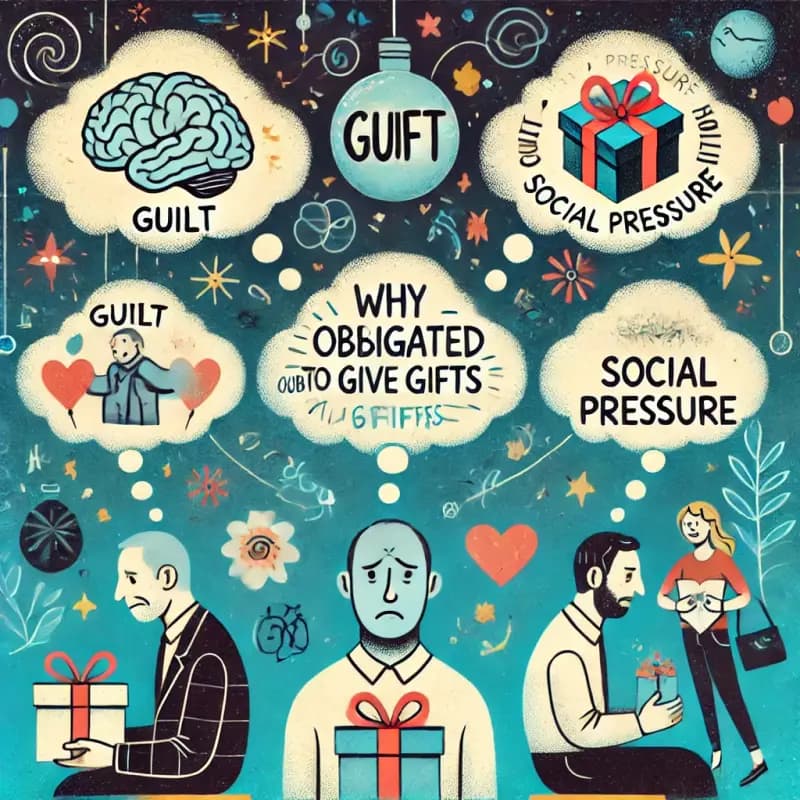
Introduction: The Gift-Giving Dilemma
Gift-giving is a near-universal tradition that, while often joyous, can also bring about a sense of pressure. Many of us have found ourselves in situations where the urge or obligation to give a gift arises, even if the desire isn’t fully there. This pressure often stems from societal norms and expectations glued with cultural and personal milestones. From birthdays and weddings to holidays and anniversaries, these moments often come with an invisible rule that gifts are a must. Yet, this feeling of urgent necessity can sometimes cloud the joy and authenticity that gift-giving initially intends to foster.
The Historical Roots of Gift-Giving
The tradition of gift-giving has deep-set roots in human history, transcending cultures and epochs. In primitive societies, exchanging gifts was a way of fostering bonds, establishing alliances, and strengthening community ties. The act was more than mere tradition; it was a social currency that helped build and maintain relationships. Anthropologists have discovered evidence of early gifts, such as shells or bones, being traded as far back as prehistoric times. These exchanges often served as gestures of goodwill, and over centuries evolved to include various items reflecting the socio-economic developments of the world, thus cementing the gifting culture we know today.
Societal Expectations and Norms
The pressure to give gifts can often be linked back to societal expectations and cultural norms. Society has crafted rituals around gift-giving, establishing it as a crucial part of ceremonies like weddings, birthdays, and holidays. Across different cultures, various forms of gift-giving exist, rooted deeply in tradition and regional practices. In Japan, for instance, the gifting traditions of Omiyage (souvenirs) and Oseibo (year-end gifts) emphasize societal relationships and respect. Society dictates these norms, and adherence ensures acceptance and validation within a community, often translating to immense pressure to conform.
The Role of Reciprocity in Gift-Giving
Reciprocity, a fundamental psychological principle, is a key driver in why people feel obligated to give gifts. The expectation to reciprocate when you receive a gift is deeply ingrained in human behavior. This unwritten rule of reciprocating creates a cycle where gifting becomes a means of ensuring social harmony. When you give or receive a gift, there’s a subtle obligation to respond in kind, thereby keeping the relationship balanced and perceived as fair. This concept highlights that sometimes, gift-giving is less about choice and more about fulfilling a social contract.
The Influence of Social Pressure
Social pressure plays a significant role in the realm of gift-giving. The expectations of peers, family, and societal constructs create an invisible force that often dictates personal behaviors. People may feel the need to give gifts to avoid social stigma or the perception of being inconsiderate. This is particularly evident during the holiday season, where the collective pressure from advertising, family expectations, and cultural traditions amplify the sense of obligation. The influence of social networks, too, can magnify these pressures, with everyone seemingly participating in the gift-giving cycle.
The Connection Between Gifts and Emotions
Gifts often serve as tangible expressions of emotions like love, gratitude, and atonement. They're vessels of feelings that words sometimes fail to capture. This emotional connection plays a critical role in the motivation behind gift-giving. People often choose gifts with a symbolic meaning that aligns with their emotions towards the recipient, whether it's to show appreciation, celebrate milestones, or apologize. This emotional linkage not only compels the giver but also enriches the personal bond with the recipient, making the practice of gift-giving a deeply entrenched ritual in human relationships.
The Economic Aspect of Gift-Giving
Gift-giving is not without its economic implications. The commercialization of holidays like Christmas and Valentine's Day underscores how consumerism amplifies the pressure of gift-giving. Retailers heavily market these events, turning them into economic powerhouses where the focus often shifts from heartfelt giving to financial expenditure and materialism. This commercial aspect can sometimes overshadow the initial sentiment behind the act of gifting, converting it into a transaction driven more by commercial interests than genuine emotions, thus adding another layer of obligation to the already existing societal pressures.
The Anxiety of Gift Selection
Selecting the perfect gift can often become a source of significant stress and anxiety. The desire to choose something meaningful or practical, coupled with the fear of the gift being received poorly, can make gift-giving a daunting task. This anxiety is often compounded by the endless options available, combined with the unique preferences of each recipient. The internal pressure to meet these subjective standards makes gift selection challenging, sometimes dampening the inherent joy of giving. Despite this, individuals continue to go to great lengths to ensure their gifts reflect thoughtfulness and care.
The Impact of Gender Roles
Traditional gender roles significantly influence gift-giving practices. Historically, men and women have faced different expectations regarding the type and frequency of gifts they give or receive. Men, for example, are often expected to give gifts that are seen as more valuable or extravagant as a demonstration of their love or status, while women might feel the pressure to give thoughtful, personalized gifts. Such gendered expectations can lead to disparities in the types of gifts given, as well as the perceived importance of the act of giving, adding another layer to the intricate tapestry of gift-giving obligations.
Psychological Benefits and Drawbacks
Gift-giving can bring several psychological benefits, including increased happiness and the strengthening of relationships. The act of giving can trigger the release of "feel-good" hormones like serotonin and dopamine, enhancing the giver’s mood and sense of satisfaction. Moreover, gifts can serve as relationship renewers, solidifying bonds by showing that the giver values the recipient. However, these benefits are often balanced by drawbacks like stress, particularly financial strain and anxiety over the reception of the gift. Balancing these pros and cons is key to maintaining the joy and purpose of gift-giving without feeling overwhelmed.
Case Studies: Cultural Perspectives
Examining gift-giving practices across different cultures reveals varied motivations and obligations. In China, for example, gifting is a critical part of building and maintaining Guanxi, or relationships, where the choice of gifts is highly influenced by symbolic meanings. In India, during festivals like Diwali, exchanging gifts represents prosperity and goodwill. These cultural paradigms highlight how gifts can embody respect, tradition, or social status, depending on the cultural context. These differences showcase the diversity in practices and motivations across the globe, emphasizing the universal yet uniquely tailored nature of gift-giving.
The Paradox of Gift-Giving During Economic Hardship
Curiously, people often continue to give gifts even during times of personal financial hardship. This paradox can be attributed to the deep-rooted societal and emotional importance of gift-giving, where the act of giving can sometimes outweigh financial concerns. Gifting becomes a priority because of its emotional significance, as well as its role in social rituals and relationships. Society often views those who continue to give during difficult times as particularly noble or generous, hence reinforcing the cycle of gifting, even when it may not be economically sensible.
Technology and Modern Gift-Giving
Technology has dramatically transformed how gifts are given and received. Online gift registries, e-vouchers, and digital subscriptions have redefined traditional notions of gifting. While these innovations offer convenience and ease, they also introduce new forms of pressure, such as immediate reciprocation expectations and the challenge of maintaining personal touches in digital gifts. However, the digital era also provides new avenues for personalized gifting, from custom-made products to hyper-specific hobby-based gifts, reflecting the recipient’s interests more authentically than ever before.
Alternatives to Traditional Gift-Giving
For those looking to escape the pressures tied to traditional gift-giving, alternative options can provide a meaningful solution. Consider experiential gifts, like a shared adventure or a class, which create lasting memories. Donations made in the recipient’s name for a cause they care about can also be deeply impactful. Crafting handmade or personalized gifts can offer a heartfelt touch that commercial items might lack. By focusing on personal connections and shared experiences, alternative gift-giving can meet the emotional needs of both parties without adhering strictly to conventional practices.
Conclusion: Finding Balance and Meaning
The practice of gift-giving, enriched by centuries of tradition and emotion, remains a complex interplay of societal norms, emotional expression, and personal choice. While the pressure to give can sometimes overshadow the joy of gifting, reflection on personal motivations and the exploration of alternative options can help restore balance. Understanding the deeper psychological aspects and embracing mindful, authentic giving practices can enhance the joy and meaning behind each gift, ensuring that this venerable tradition retains its purpose and continues to bring people together in genuine expression and connection.