Introduction: The Art and Science of Fragrance
Imagine the gentle waft of a scent that evokes a cherished memory or a specific moment in time. Perfumes have an uncanny ability to stir emotions, making them profound and meaningful gifts. Creating your own perfume is not only a captivating artistic endeavor but also a scientific exploration into the world of fragrances. The beauty of DIY perfumes lies in their dual nature—where creativity harmonizes with chemistry, allowing anyone to bottle their essence and share it with loved ones. This artful melange of notes and aromas is more than just a personalized gift; it's a journey into the sensory realm that inspires connection and sentiment.
The History of Perfume: A Scented Journey Through Time
Perfume has fascinated humanity for millennia, filling ancient tombs and palaces with divine essences. The Egyptians pioneered its use, viewing fragrance as sacred and using it in religious ceremonies and daily life. Fast forward to the Roman Empire, where scented oils and unguents were symbols of wealth and sophistication. Across the globe, the allure of perfume transcended cultural boundaries; the Chinese cherished fragrant incense, while in the Middle East, the art of distillation brought forth exotic attars. As the centuries passed, scents continued to evolve with the alchemists of the Renaissance and the opulent courts of Versailles, each era leaving an aromatic legacy that adds layers to our modern understanding.
Understanding the Basics: What Makes a Perfume?
A well-composed perfume is akin to a harmonious symphony of notes, each playing its part to create a lasting impression. At its core, a perfume consists of three distinctive notes: top, middle, and base. The top notes are the initial, fleeting scents that immediately captivate the senses. As they dissipate, the more enduring middle or heart notes unfold, defining the fragrance’s character. Finally, the base notes lay the foundation, providing depth and longevity. This intricate dance between notes ensures that the scent breathes and evolves over time, making each application a unique olfactory experience.
The Olfactory System: How We Perceive Scents
Scent is a powerful trigger for emotion and memory, thanks to the intricate workings of our olfactory system. When we inhale a fragrance, odor molecules bind to receptors in the nasal cavity, sending signals directly to the brain's limbic system, which governs emotions and memory. This direct connection explains why the smell of a particular perfume can evoke vivid memories or stir deep emotions. Our perception of scent is both personal and subjective, influenced by past experiences, culture, and even mood. Understanding this complexity adds depth to the art of crafting personalized perfume gifts, allowing us to create scents that resonate on a deeply personal level.
The Chemistry Behind Fragrance
The creation of a perfume involves understanding the chemistry of scent, where natural and synthetic ingredients come into play. Natural ingredients, such as essential oils, are derived from plants and offer a rich tapestry of aromas. In contrast, synthetic compounds are laboratory-crafted to replicate or enhance natural scents, providing stability and creativity that nature alone cannot always offer. The balance between these elements is crucial, as it influences the final scent profile. Modern perfumery leans on innovative chemistry to craft complex fragrances that are both captivating and long-lasting, enhancing the sensory experience for the wearer.
Why Create Your Own Perfume? The Benefits of DIY Fragrances
Creating your own perfume offers a multitude of benefits, transforming a routine gift into something deeply personal and heartfelt. Personalization stands out as a key advantage; crafting a scent allows you to tailor the fragrance to the tastes and preferences of your loved one. Moreover, the creative process is immensely satisfying, providing a canvas for experimentation and discovery. There's also a practical aspect—DIY perfumes are often more cost-effective than commercial alternatives, allowing you to craft luxury for less. These custom fragrances carry a uniqueness that store-bought perfumes can't, making them treasured gifts that tell a story.
Choosing Your Ingredients: Essential Oils vs. Synthetic Fragrances
When embarking on the journey of creating your own perfume, the choice of ingredients plays a crucial role. Essential oils, derived from natural sources, offer authentic, complex scents that are cherished for their purity. They carry the added benefit of therapeutic properties, often used in aromatherapy to enhance well-being. On the other hand, synthetic fragrances provide a broader palette of scents not readily available in nature, offering stability and longevity in perfumes. Both options have their merits, and blending them can yield a balanced, unique scent profile. Understanding the nuances of each allows you to craft a fragrance that truly reflects your vision.
Tools of the Trade: What You Need to Get Started
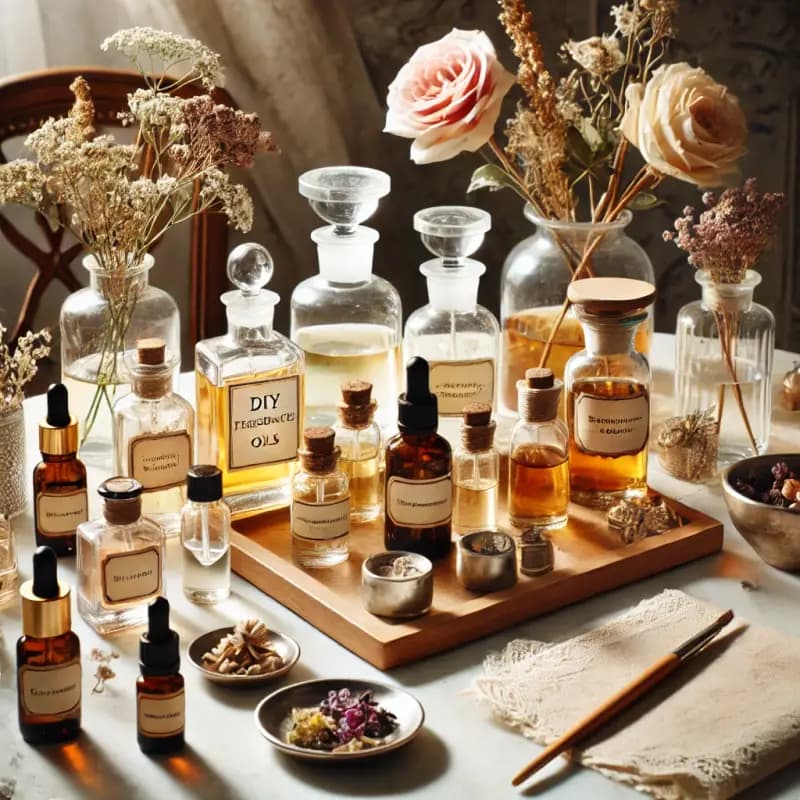
Embarking on your perfume-making adventure requires a set of essential tools to ensure precision and creativity. At the heart of this craft are vials and bottles, perfect for mixing and storing your aromatic creations. Droppers and measuring pipettes are indispensable for accurate measurement and blending of oils, ensuring consistency in your formulations. A small digital scale can be invaluable when working with solid perfuming agents. Don't forget about carrier oils, such as jojoba or almond oil, which serve as bases for diluting your fragrant concoctions. Equipped with these tools, you're ready to dive into the world of DIY perfumes with confidence and flair.
Crafting Your Scent: The Step-by-Step Process
Creating your fragrance masterpiece is a journey of discovery, blending art with science. Begin by setting up your workspace, ensuring it's tidy and free of distractions. Start with base notes, adding a measured quantity to your mixing bottle. Follow with the heart notes, testing small amounts at a time to achieve the desired balance. The final touch is the top notes, which, although fleeting, should complement the overall scent. Once satisfied, mix the blend thoroughly and leave it to rest for a few weeks to allow the notes to meld into a cohesive fragrance. This process of patience and fine-tuning is essential to crafting a perfume that is uniquely yours.
The Art of Balancing: Creating a Harmonious Scent Profile
Crafting a perfume is akin to creating a well-orchestrated symphony. Balancing different scent notes is crucial to ensuring that the perfume is harmonious and delightful. The trick lies in understanding the interplay between top, middle, and base notes. A rule of thumb is to keep the concentration of scent oils around 15-30% of the total blend for an eau de parfum. Careful adjustment of each element will help in achieving a blend that pleases the senses throughout its wear. Resist the temptation to overpower the fragrance with a single tone; instead, aim for a seamless transition between notes that evokes an emotional response.
Perfecting Your Perfume: Tips for Tinkering and Tweaking
Developing the perfect fragrance requires patience and willingness to tweak your blend. During the resting phase, evaluate the perfume through smell tests. If the base notes dominate the blend, consider adding more top or middle notes to balance it out. Feel free to experiment with the percentages or introduce a new scent to innovate. Document each variation and its result to guide future formulations. Remember, perfection is subjective in perfumery; the goal is to create a scent that resonates and tells your intended story. Embrace this trial-and-error process as a creative opportunity that leads to olfactory discovery.
Packaging and Presentation: The Finishing Touches
A beautifully crafted perfume deserves presentation that speaks to its allure. Opt for elegant bottles or stylish vials that reflect the sophistication of your creation. Consider decorations like ribbons, charms, or wax seals to add an artisanal touch. Include a personalized label with the name of the perfume and a brief note about its inspiration or ingredients, offering the gift recipient a glimpse into your thoughtful process. Remember, the packaging is an extension of the perfume itself, offering the first visual impression and setting the stage for the aromatic journey that follows.
Gifting Your Creation: Making It Special
Presenting your handmade perfume as a gift goes beyond the physical bottle—it's an expression of your creativity and thoughtfulness. Consider including a card that explains the inspiration behind the fragrance, perhaps detailing specific memories or emotions it embodies. Personal touches like a handwritten note or custom labels make the gift uniquely personal, emphasizing the effort and care put into its creation. Packages can also include small accompanying gifts, like an aromatic candle or oil diffuser, to enhance the overall sensory experience. Making your gift special lies in these details, turning your perfume into a cherished memory.
Common Mistakes and How to Avoid Them
Venturing into DIY perfume-making comes with its challenges and potential pitfalls. One common mistake is using excessive amounts of fragrance oils, leading to an overwhelming scent. To avoid this, adhere to measured proportions and test the fragrance diligently before final mixing. Additionally, neglecting to let the fragrance rest can result in an unbalanced blend. Allow adequate time for aging, as this lets the notes mellow and merge beautifully. Keep detailed records of every recipe, including ingredients and adjustments, to trace steps and refine future creations. Avoiding these mistakes ensures a rewarding perfume-making experience that culminates in a delightful final product.
The Future of DIY Perfumery: Trends and Innovations
The realm of DIY perfumery is thriving, driven by a desire for personalization and sustainability. Trends point toward eco-friendly practices, using ethically sourced or upcycled ingredients that align with environmental consciousness. Advances in technology, such as scent creation apps and AI-driven recommendations, expand the realm of possibilities for home fragrance enthusiasts. Innovations in packaging materials, focusing on recyclability and minimalism, are reshaping how we approach perfume presentation. As these innovations unfold, the future of DIY perfumery offers exciting avenues for creativity, enabling artists to craft unique, meaningful scents in a sustainable and innovative manner.
Conclusion: Embrace the Scent of Creativity
In the world of perfumery, the art of scent creation is an immersive, rewarding pursuit that blends science with creativity. Crafting your own DIY perfume gifts offers unparalleled satisfaction, allowing you to share part of yourself through a beautifully curated fragrance. Whether as a thoughtful gift or a personal experiment, this process invites you to embrace your inner artist, tribute memories, and create new ones crafted in scents. So dive into the world of aromas, explore its endless possibilities, and revel in the joy of creating something profoundly personal and delightfully aromatic.